
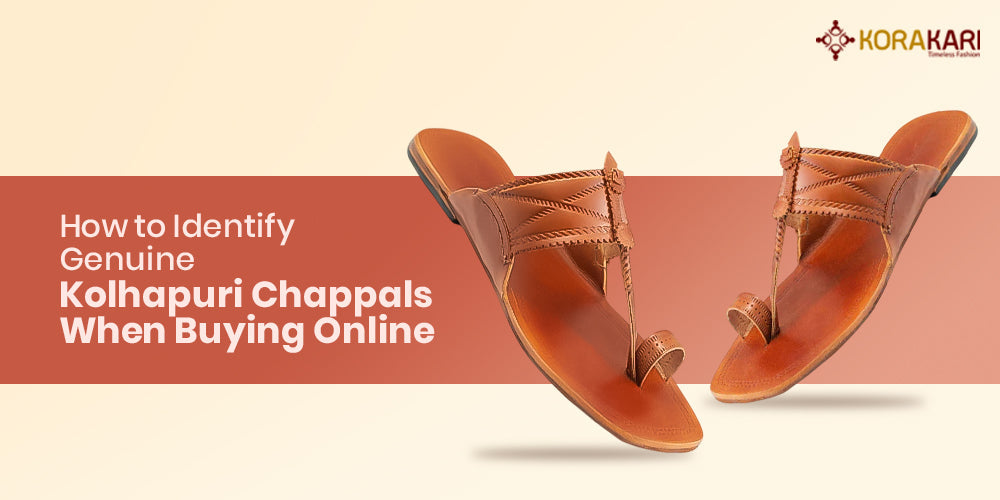
Kolhapuri chappals represent a timeless Indian footwear tradition, handcrafted in Maharashtra's Kolhapur region since the 13th century. Genuine pairs feature GI-tagged vegetable-tanned leather and intricate hand-stitching, distinguishing them from mass-produced fakes. Buying online demands vigilance to ensure authenticity, especially from sites like Korakari that emphasize heritage craftsmanship.
History of Kolhapuri Chappals
Kolhapuri chappals originated in Kolhapur, Maharashtra, evolving from ancient warrior sandals into everyday ethnic wear. Artisans use age-old techniques like vegetable tanning with local materials such as aak and karad leaves for durable, breathable leather. The Geographical Indication (GI) tag, granted in 2019, protects this craft by limiting production to Kolhapur and nearby districts, supporting over 5,000 families.
These sandals gained global fame for their T-strap or braided toe-post designs, blending comfort with style for men and women. Brands like Korakari trace roots to 1973, modernizing traditional methods while preserving GI standards and pure leather use. Fakes flood markets due to high demand, making online verification essential.
Key Authentic Features
- Genuine Kolhapuri chappals showcase handmade imperfections that signal quality.
- GI Tag: Mandatory label confirms Kolhapur origin; absent or fake tags indicate copies.
- Pure Leather: Vegetable-tanned buffalo or cow hide smells earthy, feels firm initially, and develops a natural patina; synthetics appear shiny or plastic-like.
- Hand-Stitching: Thick leather thongs create raw, uneven stitches without glue or machine marks; fakes use nylon threads that fray quickly.
- Sole Quality: Thick, single-piece leather sole resists bending; rubber or thin plastic soles wear out fast.
- Design Elements: Braided uppers, open backs, hand-cut edges, and subtle color variations from natural tanning.
- Weight feels solid from real leather, unlike lightweight imitations. Matte or polished finish avoids glossy artificial sheen.
Spotting Fakes Online
Online images and descriptions reveal counterfeits through telltale signs.
Examine high-resolution photos for natural leather texture—fakes show uniform, overly smooth surfaces. Check seller claims: authentic sites specify "GI-tagged" or "handcrafted in Kolhapur" with artisan details. Korakari highlights pure leather and traditional techniques, backed by customer reviews praising durability.
Stitching photos should display thick, irregular leather cords; machine lines or glue residue scream fake. Soles in images must appear sturdy and leather-based, not rubbery. Price flags matter: genuine pairs start at ₹800-₹2000, suspiciously low offers (under ₹500) signal synthetics.
Customer photos in reviews provide unfiltered views—look for wear patterns showing softening over time, absent in stiff fakes.
Evaluating Sellers Like Korakari
Korakari stands out for its heritage focus, founded on 1973 More family legacy in Mhalunge village. Their site details GI-tagged handmade chappals with pure leather, offering men's, women's, and jutti styles in natural finishes. Features like anti-slip TPR soles blend tradition with modern comfort.
Positive feedback notes fast shipping, reasonable pricing, and quality matching descriptions—no hassle returns enhance trust. Verify via site transparency: artisan stories, production process breakdowns, and GI proof build credibility. Avoid vague listings without origin specifics.
Compare with sites like kolhapurichapples.com, which prioritize GI and handmade verification. Reputed platforms display certifications prominently.
Step-by-Step Buying Guide
Follow these steps for secure online purchases.
- Research sellers: Prioritize GI-certified brands like Korakari; read about artisan ties and leather sourcing.
- Scrutinize product pages: Zoom on stitching, sole, and leather close-ups; demand HD images if absent.
- Check reviews: Seek unboxing videos or long-term use feedback highlighting smell, weight, and break-in feel.
- Confirm policies: Opt for free shipping over ₹1000, 15-day returns, and prepaid discounts as on trusted sites.
- Size wisely: Use detailed charts; genuine leather stretches, so slight snugness fits best.
- Price check: Authentic costs reflect craftsmanship—bargains often compromise quality.
Post-purchase, inspect upon arrival: sniff for leather scent, flex the sole, and tug stitches.
Material Breakdown
|
Feature |
Genuine Kolhapuri |
Fake Imitations |
|
Leather |
Vegetable-tanned buffalo/cow, natural aroma, firm to softens |
Synthetic/PU, plastic smell, overly soft/shiny |
|
Stitching |
Hand-done leather thongs, uneven/raw |
Machine/nylon, straight/glue marks |
|
Sole |
Thick leather, durable |
Thin rubber/plastic, quick wear |
|
Finish |
Matte/natural variations |
Glossy uniform |
|
Weight |
Heavier, solid feel |
Lightweight |
This table highlights verifiable differences via photos and feel.
Care and Longevity Tips
Genuine chappals last years with proper maintenance. Wipe with damp cloth and natural oil like mustard for shine; avoid water immersion to preserve tanning. Store in breathable bags away from sunlight to prevent cracking.
They soften after 1-2 weeks of wear, molding to feet for all-day comfort. Versatile for casual, festive, or travel use—pair with kurtas or jeans. Korakari's cushioned variants enhance daily wearability.
Why Buy Authentic
Supporting genuine buys sustains Kolhapur artisans and preserves GI heritage. Korakari exemplifies ethical modernization with fair wages and quality leather. Authentic pairs offer unmatched durability, breathability, and style value over disposable fakes.


Leave a comment
This site is protected by hCaptcha and the hCaptcha Privacy Policy and Terms of Service apply.